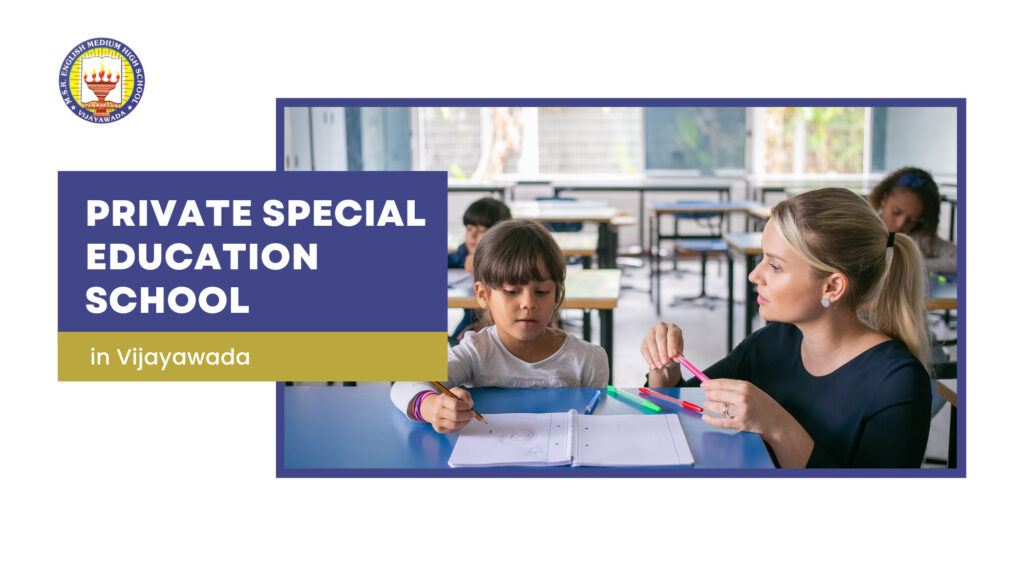
Choosing the right learning environment is especially important when a child benefits from additional or individualized educational support. Parents looking for a Private Special Education School in Vijayawada often value a school that understands individual learning needs while creating opportunities for academic progress, confidence, social development, and meaningful participation. At MSR, inclusive education focuses on supporting each student’s overall growth within a respectful and encouraging environment.
Introduction
Every child learns differently, and for parents seeking the right educational environment, finding a school that recognizes those differences can be a major concern. Families may have questions about teaching methods, individual attention, classroom participation, social development, and whether their child will receive appropriate support without feeling excluded. Choosing a trusted Private Special Education School in Vijayawada therefore requires looking carefully at how a school responds to individual learning needs.
At MSR, the approach to inclusive education focuses on understanding students as individuals while supporting their academic, personal, and social development. Through a supportive school environment, appropriate learning guidance, and opportunities for participation, students can develop confidence and greater independence. For parents, trust grows when education respects each child’s pace while continuing to encourage meaningful progress.
What Should Parents Look for in a Private Special Education School?
Parents should look for an environment where students are understood as individuals rather than expected to learn in exactly the same way. A quality special education school in Vijayawada should recognize different learning needs and adapt educational support accordingly while maintaining clear expectations for each student’s progress and development.
The overall school experience should also provide opportunities for students to feel included, respected, and involved. A supportive school environment can help learners build confidence when academic guidance is combined with attention to communication, social interaction, independence, and holistic student development.
Why Is Individualized Learning Support Important?
Individualized learning support recognizes that students may have different strengths, challenges, learning speeds, and ways of understanding information. Rather than applying one teaching method to every learner, educators can adapt instruction and provide additional guidance where it is most useful.
Personalized learning plans can also help teachers and parents understand a student’s progress more clearly. When educational goals are appropriate to individual learning needs, students may be better able to experience meaningful achievement while gradually developing confidence in their own abilities.
Discover MSR Academic Programs
Explore MSR and discover more about our academic and student development opportunities.
How Does an Inclusive Learning Environment Build Student Confidence?
An inclusive learning environment gives students opportunities to participate in learning and school activities without being defined only by the support they may require. When students feel respected and encouraged, they can become more comfortable expressing themselves, asking for help, interacting with others, and taking on new learning challenges.
Student confidence building often happens gradually through positive experiences and achievable progress. Inclusive classroom practices that recognize effort, encourage participation, and provide appropriate guidance can help students develop a stronger sense of belonging while supporting both academic and personal growth.
How Can Adaptive Teaching Support Different Learning Needs?
Adaptive teaching methods allow educators to adjust how concepts are explained, practiced, and reinforced according to student needs. Some learners may benefit from visual resources, practical activities, additional repetition, technology-enabled support, or more time to understand particular concepts.
Differentiated learning strategies can make education more accessible without lowering the importance of meaningful progress. When teachers use flexible approaches thoughtfully, students have greater opportunities to engage with learning in ways that match their abilities while continuing to develop new skills.
Explore MSR Admissions
Explore MSR and discover more about our academic and student development opportunities.
Why Do Specially Trained Educators Matter in Inclusive Education?
Specially trained educators can help create learning experiences that respond more effectively to individual student needs. Their role involves understanding how different students engage with lessons, identifying areas where additional support may be helpful, and adapting teaching approaches so learners can participate more confidently in the classroom.
Effective teacher support for individual learners also requires patience, observation, and consistent communication. When educators understand a student’s strengths and areas for development, they can provide appropriate academic support while encouraging independence rather than creating unnecessary dependence on assistance.
How Does Parent-Teacher Collaboration Support Student Progress?
Parents often have valuable insights into how their child communicates, responds to challenges, and learns in different situations. Regular parent-teacher collaboration allows families and educators to share observations, understand progress, and work toward learning and developmental goals with greater consistency.
Individual student progress tracking can make these conversations more meaningful by focusing on changes in academic participation, communication, confidence, social interaction, and independent skills. A strong partnership between home and school can create more consistent support for a student’s overall development.
How Does Inclusive Education Support Social and Emotional Development?
Inclusive education is not limited to academic learning. Students also need opportunities to communicate, build relationships, participate in group experiences, and develop a sense of belonging. A safe and nurturing learning environment can encourage learners to express themselves more comfortably while gradually developing social and emotional confidence.
Social skills development for students can happen through everyday classroom interactions, collaborative activities, sports, and shared school experiences. When participation is encouraged appropriately, students can learn important skills such as cooperation, communication, responsibility, and respect for others.
Why Are Life Skills Important for Greater Independence?
Life skills development for students helps connect education with everyday experiences and future responsibilities. Depending on individual needs and age, students can benefit from learning how to communicate effectively, make appropriate choices, manage simple responsibilities, solve everyday problems, and become increasingly independent.
Developing independent learning skills can also help students take greater ownership of their education. A student-centered inclusive education approach should provide support where needed while gradually creating opportunities for learners to complete tasks, make decisions, and recognize their own progress.
What Does Education Research Suggest About Inclusive Learning?
Education research and international guidance increasingly emphasize the importance of ensuring that learners can access meaningful educational opportunities and participate in school communities. Inclusive approaches generally focus on identifying barriers to participation and adapting educational environments so that students with diverse learning needs have opportunities to learn and develop alongside their peers where appropriate.
For parents considering inclusive education in Vijayawada, the key principle is that inclusion should involve more than physical presence in a classroom. Meaningful inclusion requires appropriate teaching strategies, accessible learning opportunities, supportive relationships, and attention to each student’s academic, social, and personal development.
What Should Parents Compare When Choosing an Inclusive Education School?
Choosing an inclusive school requires parents to understand how student support works in everyday practice. Families should consider whether the school recognizes individual learning needs, adapts teaching appropriately, communicates with parents, and creates genuine opportunities for students to participate and develop.
| What to Evaluate | General Approach | Student-Centered Inclusive Approach |
|---|---|---|
| Learning Support | Same approach for most students | Support adapted to individual learning needs |
| Teaching | Standard classroom instruction | Flexible and differentiated learning strategies |
| Student Progress | Focus mainly on academic marks | Consider academic and developmental progress |
| Family Communication | Occasional parent updates | Ongoing parent-teacher collaboration |
| Participation | Students attend activities | Students are supported to participate meaningfully |
| Independence | Adults provide continuous help | Support is gradually adjusted to build confidence |
Parents looking for an inclusive education school in Vijayawada should consider the complete experience offered to students rather than focusing on a single program or facility. Quality special education should combine individualized learning support with meaningful participation, personal development, and opportunities for students to build greater confidence and independence.
How Can Technology Support Inclusive Education?
Technology-enabled inclusive education can provide students with additional ways to access, understand, and engage with learning. Digital resources, visual materials, interactive activities, and adaptable learning tools can support different learning preferences when they are selected carefully and used with appropriate teacher guidance.
Technology should not replace meaningful interaction between students and educators. Instead, learning resources for diverse needs can complement personalized education by helping teachers present concepts in different formats and giving students additional opportunities to practise skills at a pace that supports their individual learning journey.
How Do Inclusive Activities Support Holistic Student Development?
Inclusive extracurricular activities can give students opportunities to discover interests, interact with others, and develop abilities outside traditional classroom learning. Sports, creative activities, group experiences, and school events can contribute to communication skills development, confidence, teamwork, and a stronger sense of participation.
At MSR, holistic student development involves recognizing that progress can take many forms. Academic learning remains important, but opportunities to build social skills, independence, creativity, character, and personal confidence can also help students become better prepared for everyday life and future opportunities.
Explore Student Life at MSR
Explore MSR and discover more about our academic and student development opportunities.
Conclusion
Choosing a Private Special Education School in Vijayawada requires parents to understand how effectively a school recognizes and responds to individual learning needs. A supportive educational environment should provide appropriate academic guidance while creating meaningful opportunities for students to participate, communicate, develop relationships, and build confidence.
Parents should consider the quality of teaching, individualized learning support, adaptive teaching methods, family communication, social development opportunities, and the school’s approach to building greater independence. Inclusive education is most meaningful when students are respected as individuals and encouraged to make progress based on their strengths and developmental needs.
At MSR, the approach to inclusive education reflects a broader commitment to student development, accessible learning opportunities, and a supportive school experience. By choosing an environment that values both individual support and meaningful participation, parents can help their children develop the academic, social, practical, and personal skills needed for greater confidence and future readiness.
Frequently Asked Questions
What Should Parents Look for in a Private Special Education School in Vijayawada?+
Parents should look for individualized learning support, appropriate teaching approaches, trained educators, clear communication, and opportunities for social and personal development. The school should understand each student’s individual needs while creating a supportive environment that encourages meaningful progress and participation.
How Can Parents Choose the Best Special Education School in Vijayawada?+
Parents should evaluate how the school identifies learning needs, adapts teaching, monitors progress, and communicates with families. The best choice is an environment where academic support is combined with opportunities to develop confidence, communication, social skills, and greater independence.
What Makes an Inclusive Education School in Vijayawada Supportive?+
A supportive inclusive school recognizes that students may learn and participate in different ways. It provides appropriate guidance, adaptable learning opportunities, respectful classroom practices, and meaningful opportunities for students to participate in academic and broader school experiences.
What Should Special Education Programs in Vijayawada Provide?+
Special education programs should provide structured learning support that responds to individual student needs and developmental goals. Effective programs may combine personalized teaching, progress monitoring, skill development, family communication, and opportunities for students to become increasingly confident and independent.
How Does a School Support Diverse Learning Needs in Vijayawada?+
Schools can support diverse learning needs by using flexible teaching approaches, appropriate learning resources, individualized guidance, and regular observation of student progress. The goal should be to help each learner access education meaningfully while building on their individual strengths.
Why Is Personalized Learning Support in Vijayawada Important?+
Personalized learning support allows education to respond more closely to a student’s abilities, learning pace, and areas where additional guidance may be required. This approach can help students experience achievable progress while developing greater confidence and engagement in their education.
What Creates an Inclusive Learning Environment in Vijayawada?+
An inclusive learning environment is built through respect, accessible learning opportunities, appropriate student support, and meaningful participation. Students should feel valued within the school community while receiving the guidance they need to learn, communicate, interact with others, and develop their abilities.
Why Are Specially Trained Educators Important in Vijayawada?+
Specially trained educators can better understand different learning needs and use appropriate strategies to support student participation and progress. Their knowledge, observation, patience, and ability to adapt instruction can help create a more responsive and supportive educational experience.
How Does Individualized Learning Support Help Students?+
Individualized learning support helps educators respond to a student’s specific strengths, challenges, and pace of development. By setting appropriate goals and adjusting teaching methods where needed, students can work toward meaningful progress without being expected to follow exactly the same learning path as everyone else.
What Should Parents Expect From an Inclusive School With Student Support in Vijayawada?+
Parents should expect a school to communicate clearly, recognize individual needs, provide appropriate learning support, and encourage participation in the wider school experience. A strong inclusive approach should support academic development while also helping students build confidence, social skills, communication, and independence.
Choosing the right learning environment is especially important when a child benefits from additional or individualized educational support. Parents looking for a Private Special Education School in Vijayawada often value a school that understands individual learning needs while creating opportunities for academic progress, confidence, social development, and meaningful participation. At MSR, inclusive education focuses on supporting each student’s overall growth within a respectful and encouraging environment.
Introduction
Every child learns differently, and for parents seeking the right educational environment, finding a school that recognizes those differences can be a major concern. Families may have questions about teaching methods, individual attention, classroom participation, social development, and whether their child will receive appropriate support without feeling excluded. Choosing a trusted Private Special Education School in Vijayawada therefore requires looking carefully at how a school responds to individual learning needs.
At MSR, the approach to inclusive education focuses on understanding students as individuals while supporting their academic, personal, and social development. Through a supportive school environment, appropriate learning guidance, and opportunities for participation, students can develop confidence and greater independence. For parents, trust grows when education respects each child’s pace while continuing to encourage meaningful progress.
What Should Parents Look for in a Private Special Education School?
Parents should look for an environment where students are understood as individuals rather than expected to learn in exactly the same way. A quality special education school in Vijayawada should recognize different learning needs and adapt educational support accordingly while maintaining clear expectations for each student’s progress and development.
The overall school experience should also provide opportunities for students to feel included, respected, and involved. A supportive school environment can help learners build confidence when academic guidance is combined with attention to communication, social interaction, independence, and holistic student development.
Why Is Individualized Learning Support Important?
Individualized learning support recognizes that students may have different strengths, challenges, learning speeds, and ways of understanding information. Rather than applying one teaching method to every learner, educators can adapt instruction and provide additional guidance where it is most useful.
Personalized learning plans can also help teachers and parents understand a student’s progress more clearly. When educational goals are appropriate to individual learning needs, students may be better able to experience meaningful achievement while gradually developing confidence in their own abilities.
Discover MSR Academic Programs
Explore MSR and discover more about our academic and student development opportunities.
How Does an Inclusive Learning Environment Build Student Confidence?
An inclusive learning environment gives students opportunities to participate in learning and school activities without being defined only by the support they may require. When students feel respected and encouraged, they can become more comfortable expressing themselves, asking for help, interacting with others, and taking on new learning challenges.
Student confidence building often happens gradually through positive experiences and achievable progress. Inclusive classroom practices that recognize effort, encourage participation, and provide appropriate guidance can help students develop a stronger sense of belonging while supporting both academic and personal growth.
How Can Adaptive Teaching Support Different Learning Needs?
Adaptive teaching methods allow educators to adjust how concepts are explained, practiced, and reinforced according to student needs. Some learners may benefit from visual resources, practical activities, additional repetition, technology-enabled support, or more time to understand particular concepts.
Differentiated learning strategies can make education more accessible without lowering the importance of meaningful progress. When teachers use flexible approaches thoughtfully, students have greater opportunities to engage with learning in ways that match their abilities while continuing to develop new skills.
Explore MSR Admissions
Explore MSR and discover more about our academic and student development opportunities.
Why Do Specially Trained Educators Matter in Inclusive Education?
Specially trained educators can help create learning experiences that respond more effectively to individual student needs. Their role involves understanding how different students engage with lessons, identifying areas where additional support may be helpful, and adapting teaching approaches so learners can participate more confidently in the classroom.
Effective teacher support for individual learners also requires patience, observation, and consistent communication. When educators understand a student’s strengths and areas for development, they can provide appropriate academic support while encouraging independence rather than creating unnecessary dependence on assistance.
How Does Parent-Teacher Collaboration Support Student Progress?
Parents often have valuable insights into how their child communicates, responds to challenges, and learns in different situations. Regular parent-teacher collaboration allows families and educators to share observations, understand progress, and work toward learning and developmental goals with greater consistency.
Individual student progress tracking can make these conversations more meaningful by focusing on changes in academic participation, communication, confidence, social interaction, and independent skills. A strong partnership between home and school can create more consistent support for a student’s overall development.
How Does Inclusive Education Support Social and Emotional Development?
Inclusive education is not limited to academic learning. Students also need opportunities to communicate, build relationships, participate in group experiences, and develop a sense of belonging. A safe and nurturing learning environment can encourage learners to express themselves more comfortably while gradually developing social and emotional confidence.
Social skills development for students can happen through everyday classroom interactions, collaborative activities, sports, and shared school experiences. When participation is encouraged appropriately, students can learn important skills such as cooperation, communication, responsibility, and respect for others.
Why Are Life Skills Important for Greater Independence?
Life skills development for students helps connect education with everyday experiences and future responsibilities. Depending on individual needs and age, students can benefit from learning how to communicate effectively, make appropriate choices, manage simple responsibilities, solve everyday problems, and become increasingly independent.
Developing independent learning skills can also help students take greater ownership of their education. A student-centered inclusive education approach should provide support where needed while gradually creating opportunities for learners to complete tasks, make decisions, and recognize their own progress.
What Does Education Research Suggest About Inclusive Learning?
Education research and international guidance increasingly emphasize the importance of ensuring that learners can access meaningful educational opportunities and participate in school communities. Inclusive approaches generally focus on identifying barriers to participation and adapting educational environments so that students with diverse learning needs have opportunities to learn and develop alongside their peers where appropriate.
For parents considering inclusive education in Vijayawada, the key principle is that inclusion should involve more than physical presence in a classroom. Meaningful inclusion requires appropriate teaching strategies, accessible learning opportunities, supportive relationships, and attention to each student’s academic, social, and personal development.
What Should Parents Compare When Choosing an Inclusive Education School?
Choosing an inclusive school requires parents to understand how student support works in everyday practice. Families should consider whether the school recognizes individual learning needs, adapts teaching appropriately, communicates with parents, and creates genuine opportunities for students to participate and develop.
| What to Evaluate | General Approach | Student-Centered Inclusive Approach |
|---|---|---|
| Learning Support | Same approach for most students | Support adapted to individual learning needs |
| Teaching | Standard classroom instruction | Flexible and differentiated learning strategies |
| Student Progress | Focus mainly on academic marks | Consider academic and developmental progress |
| Family Communication | Occasional parent updates | Ongoing parent-teacher collaboration |
| Participation | Students attend activities | Students are supported to participate meaningfully |
| Independence | Adults provide continuous help | Support is gradually adjusted to build confidence |
Parents looking for an inclusive education school in Vijayawada should consider the complete experience offered to students rather than focusing on a single program or facility. Quality special education should combine individualized learning support with meaningful participation, personal development, and opportunities for students to build greater confidence and independence.
How Can Technology Support Inclusive Education?
Technology-enabled inclusive education can provide students with additional ways to access, understand, and engage with learning. Digital resources, visual materials, interactive activities, and adaptable learning tools can support different learning preferences when they are selected carefully and used with appropriate teacher guidance.
Technology should not replace meaningful interaction between students and educators. Instead, learning resources for diverse needs can complement personalized education by helping teachers present concepts in different formats and giving students additional opportunities to practise skills at a pace that supports their individual learning journey.
How Do Inclusive Activities Support Holistic Student Development?
Inclusive extracurricular activities can give students opportunities to discover interests, interact with others, and develop abilities outside traditional classroom learning. Sports, creative activities, group experiences, and school events can contribute to communication skills development, confidence, teamwork, and a stronger sense of participation.
At MSR, holistic student development involves recognizing that progress can take many forms. Academic learning remains important, but opportunities to build social skills, independence, creativity, character, and personal confidence can also help students become better prepared for everyday life and future opportunities.
Explore Student Life at MSR
Explore MSR and discover more about our academic and student development opportunities.
Conclusion
Choosing a Private Special Education School in Vijayawada requires parents to understand how effectively a school recognizes and responds to individual learning needs. A supportive educational environment should provide appropriate academic guidance while creating meaningful opportunities for students to participate, communicate, develop relationships, and build confidence.
Parents should consider the quality of teaching, individualized learning support, adaptive teaching methods, family communication, social development opportunities, and the school’s approach to building greater independence. Inclusive education is most meaningful when students are respected as individuals and encouraged to make progress based on their strengths and developmental needs.
At MSR, the approach to inclusive education reflects a broader commitment to student development, accessible learning opportunities, and a supportive school experience. By choosing an environment that values both individual support and meaningful participation, parents can help their children develop the academic, social, practical, and personal skills needed for greater confidence and future readiness.
Frequently Asked Questions
What Should Parents Look for in a Private Special Education School in Vijayawada?+
Parents should look for individualized learning support, appropriate teaching approaches, trained educators, clear communication, and opportunities for social and personal development. The school should understand each student’s individual needs while creating a supportive environment that encourages meaningful progress and participation.
How Can Parents Choose the Best Special Education School in Vijayawada?+
Parents should evaluate how the school identifies learning needs, adapts teaching, monitors progress, and communicates with families. The best choice is an environment where academic support is combined with opportunities to develop confidence, communication, social skills, and greater independence.
What Makes an Inclusive Education School in Vijayawada Supportive?+
A supportive inclusive school recognizes that students may learn and participate in different ways. It provides appropriate guidance, adaptable learning opportunities, respectful classroom practices, and meaningful opportunities for students to participate in academic and broader school experiences.
What Should Special Education Programs in Vijayawada Provide?+
Special education programs should provide structured learning support that responds to individual student needs and developmental goals. Effective programs may combine personalized teaching, progress monitoring, skill development, family communication, and opportunities for students to become increasingly confident and independent.
How Does a School Support Diverse Learning Needs in Vijayawada?+
Schools can support diverse learning needs by using flexible teaching approaches, appropriate learning resources, individualized guidance, and regular observation of student progress. The goal should be to help each learner access education meaningfully while building on their individual strengths.
Why Is Personalized Learning Support in Vijayawada Important?+
Personalized learning support allows education to respond more closely to a student’s abilities, learning pace, and areas where additional guidance may be required. This approach can help students experience achievable progress while developing greater confidence and engagement in their education.
What Creates an Inclusive Learning Environment in Vijayawada?+
An inclusive learning environment is built through respect, accessible learning opportunities, appropriate student support, and meaningful participation. Students should feel valued within the school community while receiving the guidance they need to learn, communicate, interact with others, and develop their abilities.
Why Are Specially Trained Educators Important in Vijayawada?+
Specially trained educators can better understand different learning needs and use appropriate strategies to support student participation and progress. Their knowledge, observation, patience, and ability to adapt instruction can help create a more responsive and supportive educational experience.
How Does Individualized Learning Support Help Students?+
Individualized learning support helps educators respond to a student’s specific strengths, challenges, and pace of development. By setting appropriate goals and adjusting teaching methods where needed, students can work toward meaningful progress without being expected to follow exactly the same learning path as everyone else.
What Should Parents Expect From an Inclusive School With Student Support in Vijayawada?+
Parents should expect a school to communicate clearly, recognize individual needs, provide appropriate learning support, and encourage participation in the wider school experience. A strong inclusive approach should support academic development while also helping students build confidence, social skills, communication, and independence.